Forest conservation carbon credits
- Loru project launched: 2013
- Loru project verified: 2016
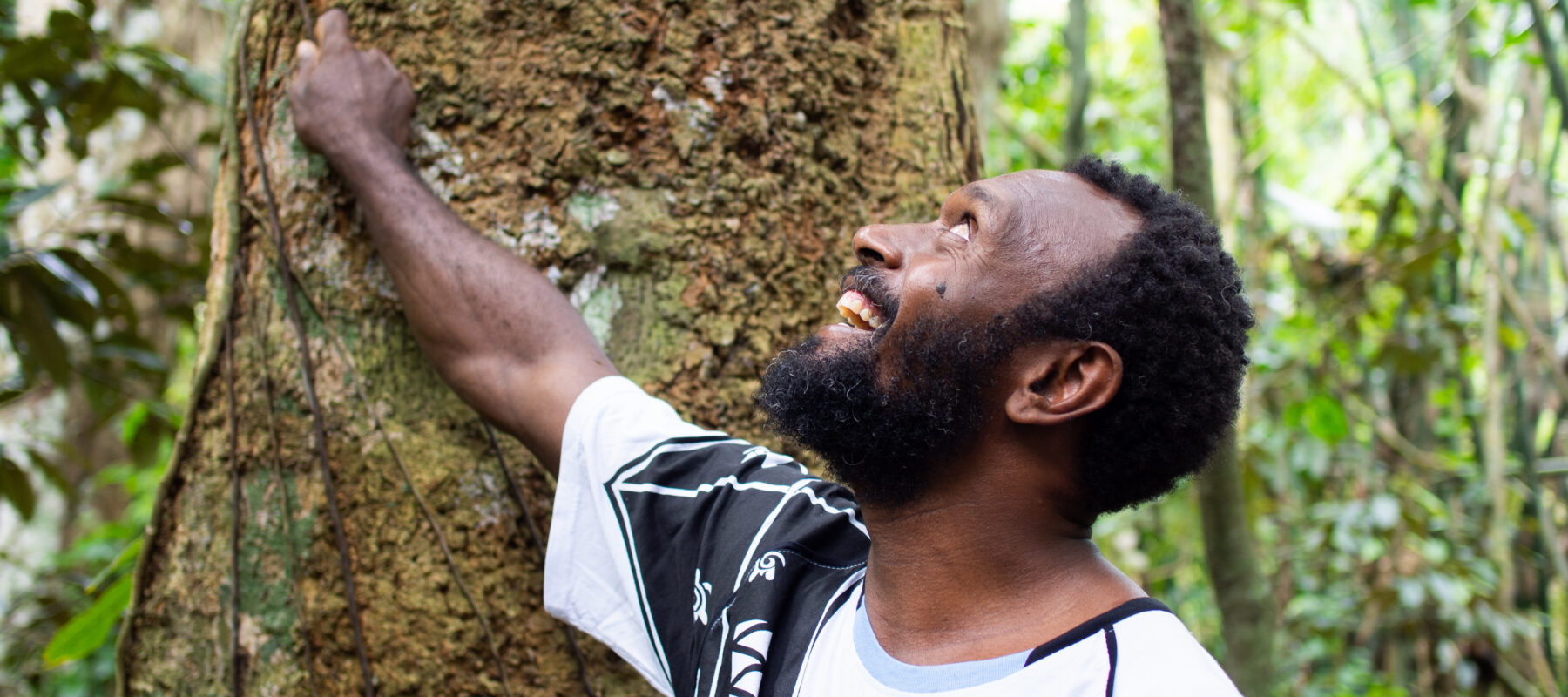
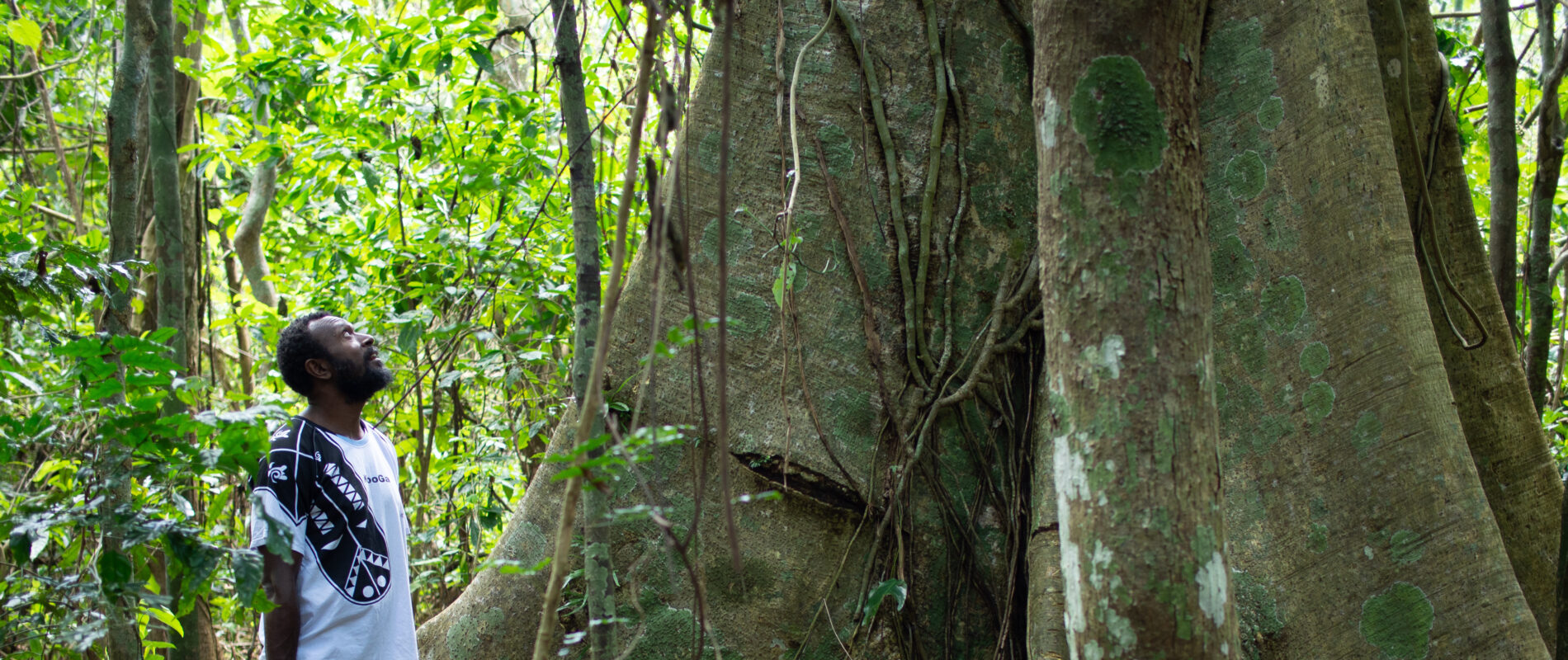
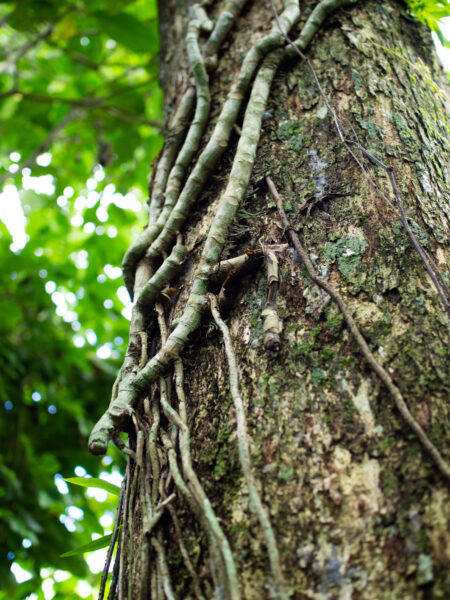
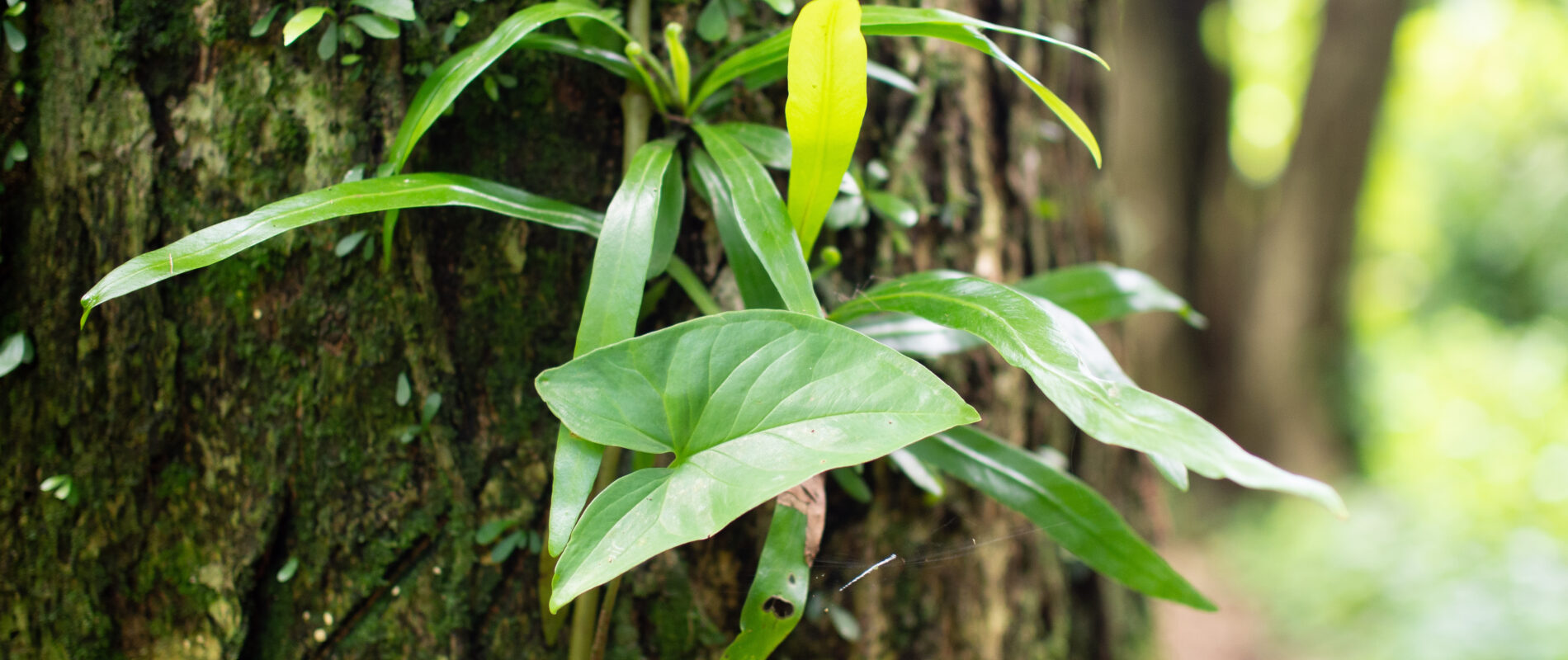
In the north of Espiritu Santo, the Serakar Clan are the traditional custodians of a small but important section of remnant rainforest that connects the community with the sea.
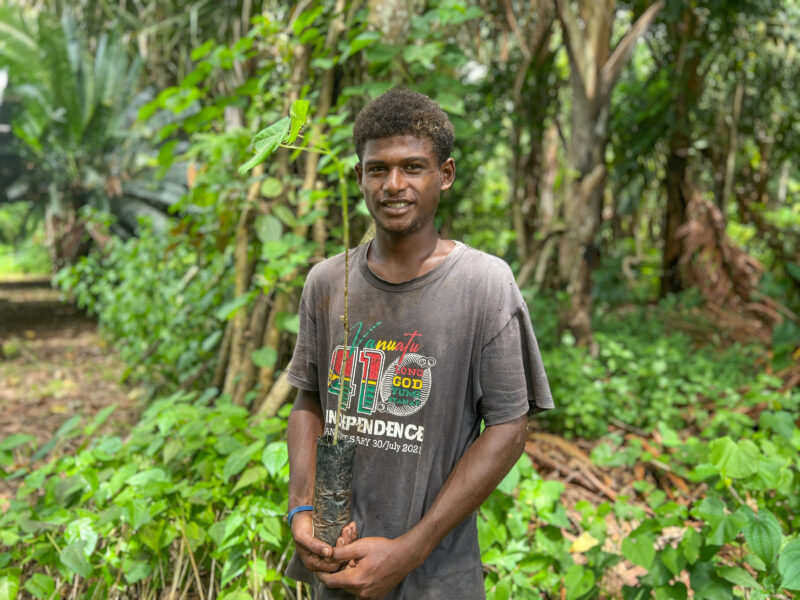
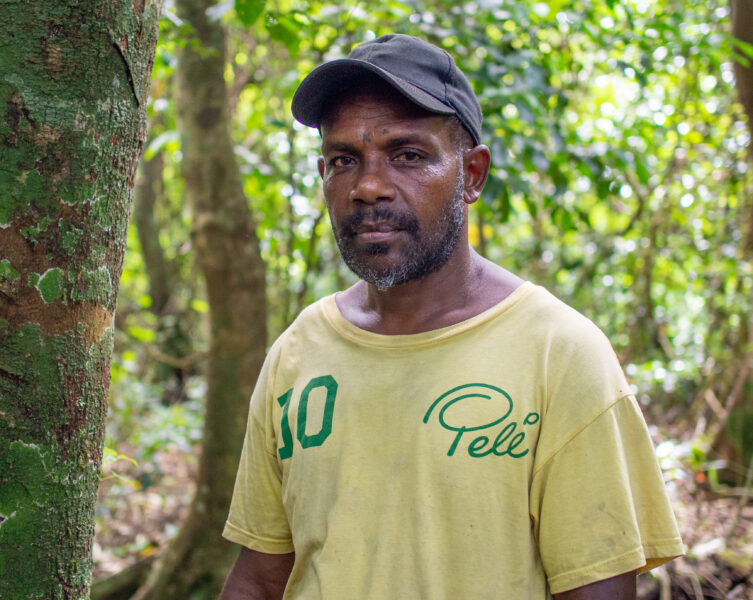
Five extended families form the Serakar Clan and, in 2013, they chose to protect their rainforest from land-clearing and coconut plantations.
Nakau worked with the community to establish the Loru Community Conservation Area under the Vanuatu Environment Protection and Biodiversity Act (2010), and to develop forest conservation carbon credits and agro-forestry as alternative sources of income using the Nakau Methodology.
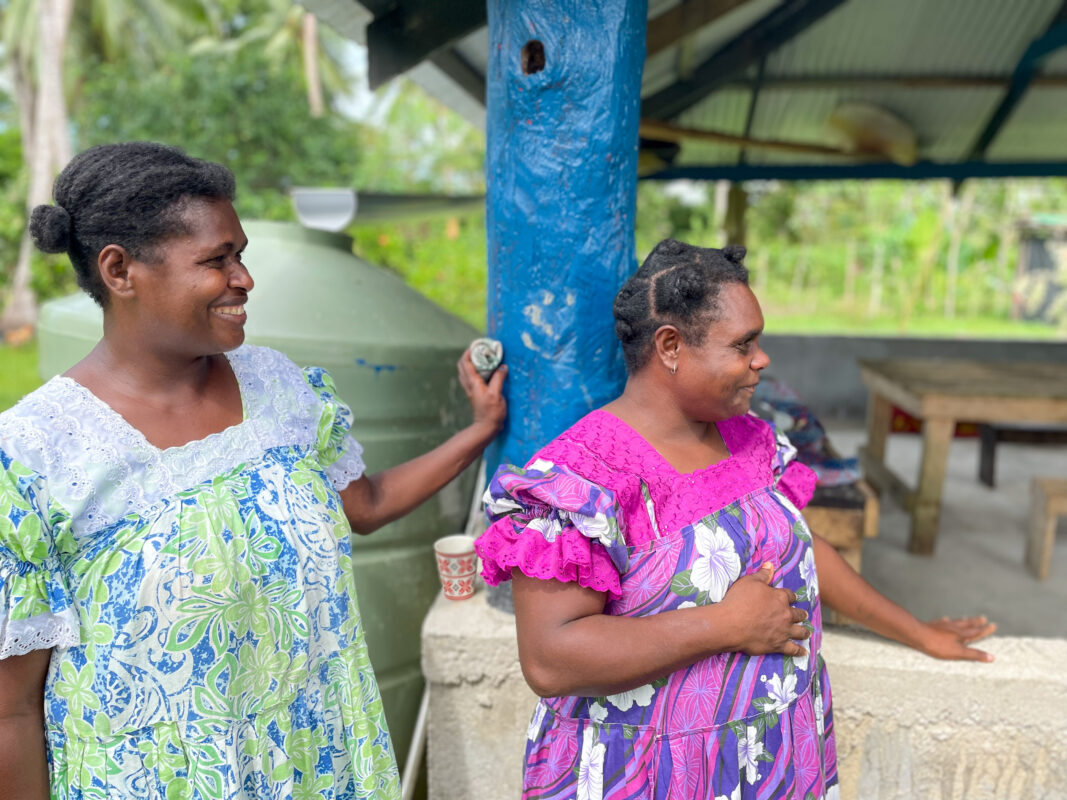
Now the community are receiving payments from their forest conservation credits and the sale of garden produce which is grown in plots outside and around the protected forest.

The Loru rainforest provides critical habitat for the threatened Vanuatu megapode, and the unique and rare coconut crab.
The area is also home to several endemic birds including Vanuatu kingfishers, Vanuatu flycatchers, Vanuatu fruit doves, Vanuatu white-eyes, Vanuatu imperial pigeons and Golden whistlers.


In 2019, the Loru Forest Project won the prestigious United Nations Equator Award for local innovative climate solutions.